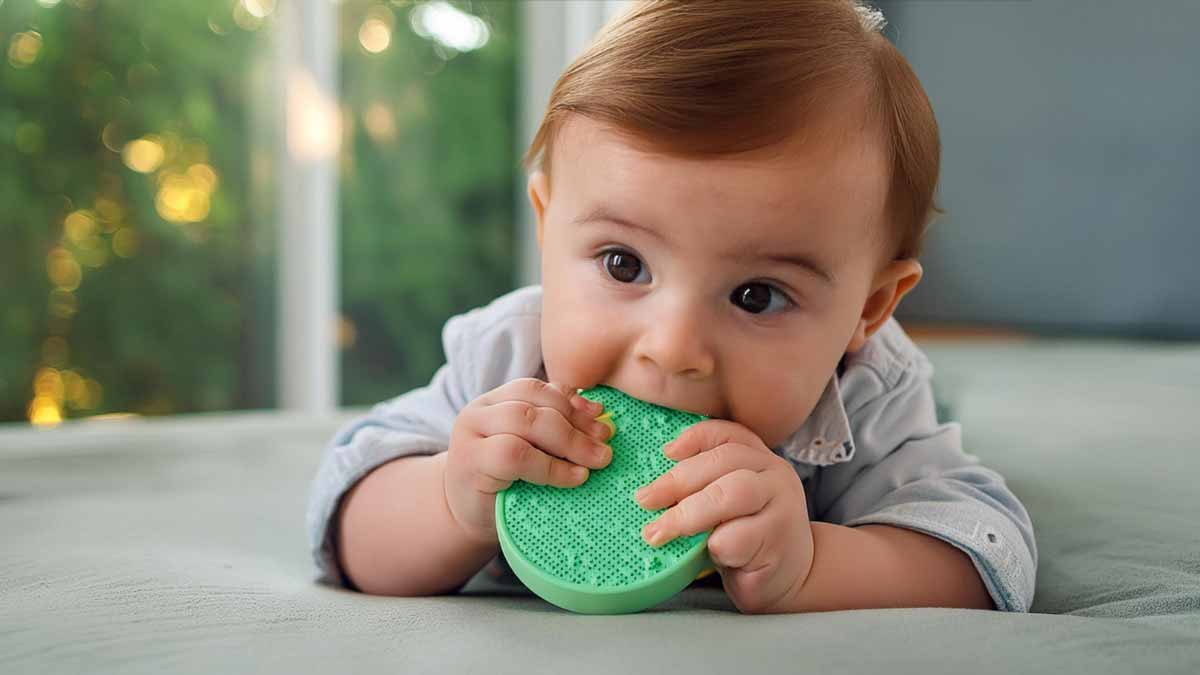
Teething. It’s a right of passage for both babies and their parents. Those tiny daggers erupting from your little one’s gums mark a big developmental leap – the ability to process solid foods! But does all that drool point to this milestone? When do babies usually start teething?
The teething timeline can be a source of stress for new parents. Relax. Teething is a variable beast, and this guide will shed light on when to expect those pearly whites (and when not to worry if they’re taking their sweet time).
When Teething Should Start
Generally, teething gets rolling somewhere between 4 and 7 months old. But here’s the thing: some babies are early birds, with teeth poking through as early as 3 months. Others are fashionably late, waiting until after their first birthday to join the toothy crew.
There’s no set schedule for teething. No need to compare your baby to their cousin who sprouted a whole grin before they could sit up (it’s my daughter, she had two prominent teeth at 4 months!). Trust the process, and maybe stock up on teething rings – they’ll be your new best friend.
Natal and Neonatal Teeth
Now, let’s talk about the outliers. Ever heard of a baby born with teeth? Those are called natal teeth. They’re pretty rare, and while they might look adorable, they can pose a risk for breastfeeding or irritate your baby’s tongue. A pediatrician can assess the situation and recommend next steps.
Neonatal teeth erupt within the first month of life. These are even less common than natal teeth and your pediatrician will likely monitor them closely. In some cases, removal might be necessary to prevent oral health issues. I’ll delve deeper into the teething order and what to expect next.
Teething Timeline and Order of Tooth Eruption
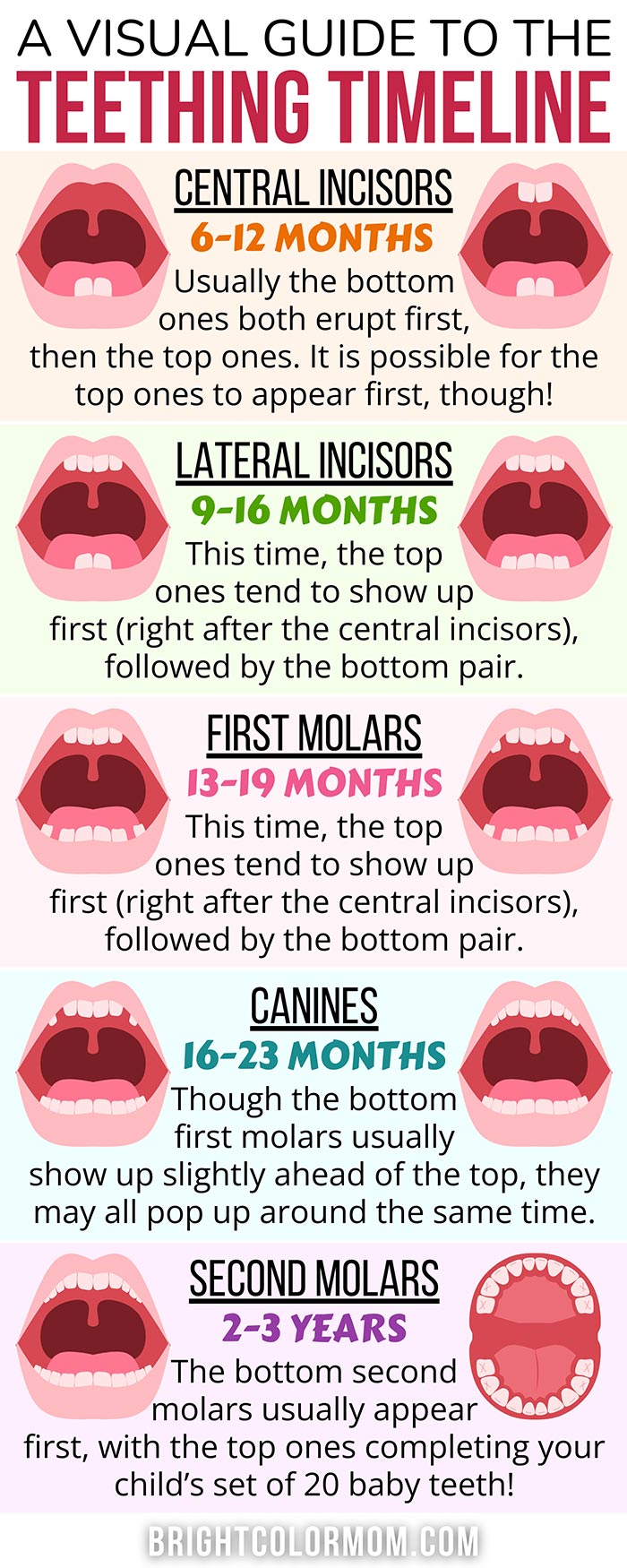
We know teething is variable, but is there any rhyme or reason to which teeth show up first? Absolutely! Here’s a roadmap for what to expect, but remember, this is just a general guide. Your baby might be a trendsetter and decide to erupt their teeth in a totally unique order. No worries, that’s perfectly normal!
General Tooth Eruption Order
| Tooth | When They Usually Arrive |
| Lower central incisors (bottom front teeth) | Around 6-10 months old. |
| Upper central incisors (top front teeth) | Around 8 weeks after their bottom buddies. |
| Upper lateral incisors (teeth flanking the top front) | Around 9-13 months. |
| Lower lateral incisors (teeth flanking the bottom front) | Around 10-16 months. |
| First molars (back teeth) | Around 13-19 months, with the upper ones usually showing up first. |
| Canines (pointed teeth) | Around 16-23 months, with the upper ones usually showing up first. |
| Second molars (back teeth) | Around 23-33 months, with the lower ones usually showing up first. |
Genetics & Teething
Just like eye color or hair texture, your genes play a role in teething. If your partner or you teethed early (or late), there’s a chance your baby might follow suit.
Early Teething & Later Dental Health
This is a common concern, but the good news is there’s no evidence that early teething impacts your child’s future dental health.
Teething Symptoms and Signs
Teething isn’t always a silent process. Here are some common signs that your little one might be sporting some new chompers under the gums.
Drool
Brace yourself for a Niagara Falls situation. Increased drooling is a hallmark of teething as your baby tries to soothe the irritation in their gums.
Chewing
Anything and everything is fair game for gnawing during teething. Teething rings and cold washcloths become BFFs.
Fussiness
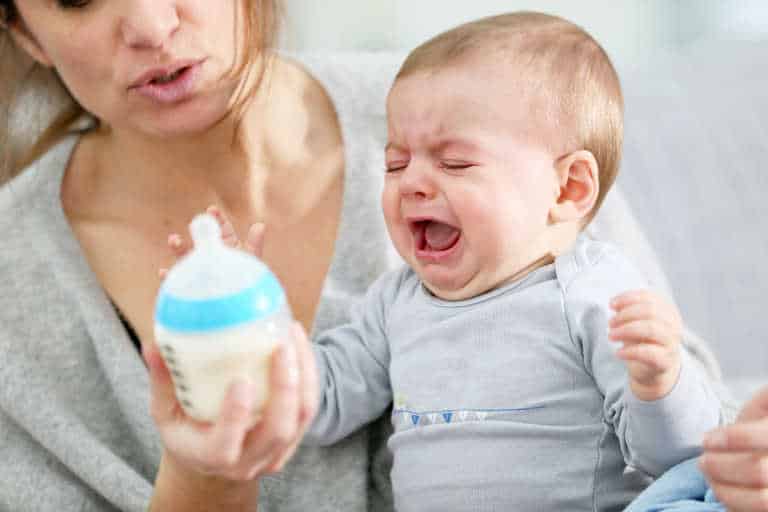
Discomfort can lead to crankiness. Expect some extra fussiness and irritability as your baby grapples with sore gums.
Swollen Gums
The gums around erupting teeth might be red and swollen. This is normal, but keep an eye on it.
Mild Fever
A low-grade fever (under 101°F) can sometimes accompany teething.
Sleeplessness
Teething discomfort can disrupt your baby’s sleep patterns. Patience is key.
Picky Eating
Chewing can be tiring, so your baby might show less interest in nursing or eating solids.
Signs it’s Not Teething
While some fussiness and a bit of drool are normal during teething, there are situations where you should call your pediatrician. Here are some red flags.
- High Fever (over 101°F): This could be a sign of an infection, not teething.
- Diarrhea: Teething doesn’t cause diarrhea. Consult your doctor if this occurs.
- Rash All Over: A teething rash might appear around the mouth from all the drooling, but a widespread rash could indicate another issue.
When in doubt, always call your pediatrician. They’re the teething experts, here to help you navigate this milestone.
This post may contain affiliate links. If you make a purchase after clicking one, I may receive a small commission at no cost to you.
Tips for Teething Relief
Teething isn’t all sunshine and rainbows, obviously. Here’s your arsenal to battle those sore gums and keep your baby comfortable.
Teething Rings & Toys
These lifesavers provide a safe surface for gnawing and chomping. Look for textured or chilled options for extra gum-soothing power.
Cool Cloths to the Rescue
A wet washcloth chilled in the fridge can be a welcome relief for irritated gums.
Gentle Gum Massage
Gently rub your clean finger along your baby’s gums to apply pressure and ease discomfort.
Chilled Pureed Goodness (for Older Babies)
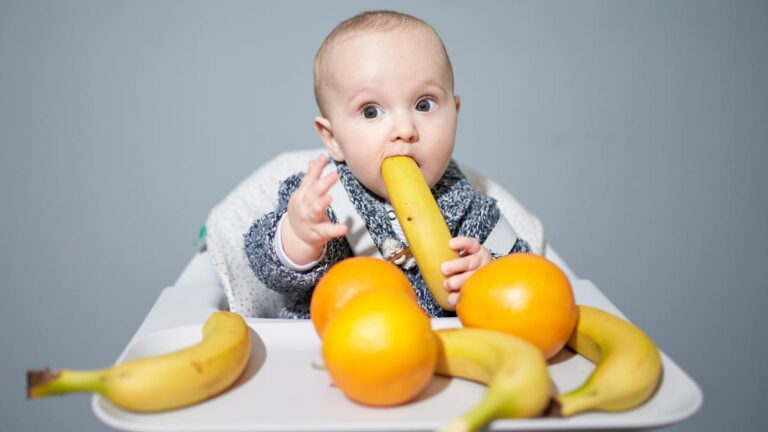
Teething can make little mouths tender. Offer chilled mashed fruits and veggies (like avocado or sweet potato) for a soothing and yummy way to numb the gums. Remember to consult your pediatrician before introducing solids (and check out my guide to baby-led weaning).
Over-the-Counter Relief
For some babies, OTC pain relievers like acetaminophen or ibuprofen can provide relief. Always consult your pediatrician for the correct dosage and type of medication for your baby.
Mesh Teethers
These teethers can be helpful for some babies, but be sure to talk to your pediatrician first to ensure they are age-appropriate and safe for your specific child.
Teething Products That Help
Below are some products you can order that me and my mom friends swear by!


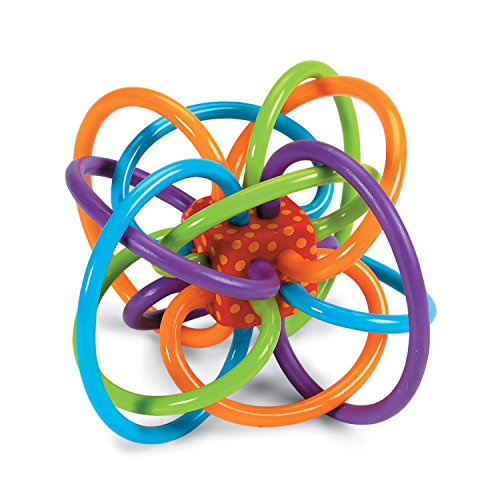

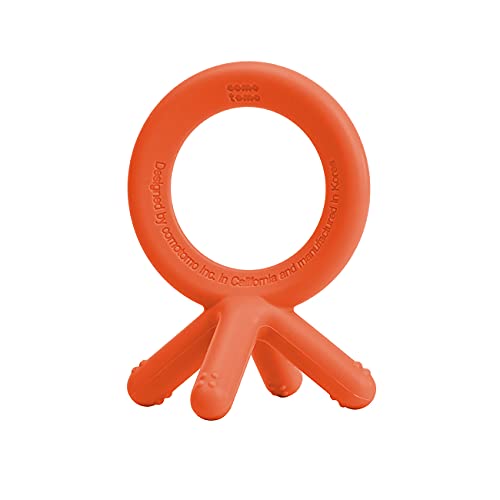


Remember, every baby is unique, and what works for one might not work for another. Experiment and find the teething tricks that bring smiles to your little one’s face.
Teething Myths Debunked
Teething can be confusing, and there’s a lot of misinformation floating around. Let’s clear the air on some common teething myths.
Fevers in Babies = Teething
While some babies might experience a low-grade fever (under 101°F) during teething, a high fever is not a normal symptom. If your baby has a fever, consult your pediatrician to rule out an infection.
Sleepless Nights… Forever
Teething can disrupt sleep, but it’s usually temporary. This phase shall pass!
You Should Stop Breastfeeding
Nope! Breastfeeding can actually be comforting for teething babies. The sucking motion helps soothe sore gums, and breastmilk provides essential nutrients and antibodies.
If your baby starts biting while feeding, react quickly by taking them off the boob, firmly saying “no bite,” and offering a teething toy for a while. Keep this up with every bite and they should eventually stop. As a last resort, use a nipple shield so you can continue your breastfeeding journey.
FAQ
My baby is over a year old with no teeth yet, is that a problem?
Most babies have at least one tooth by their first birthday, but there’s some wiggle room. If there are no signs of teething by 15 months, it’s wise to consult your pediatrician to rule out any underlying issues.
My baby was born prematurely. Will teething be different?
Teething timelines can be a bit unpredictable for premature babies. They might teethe earlier or later than full-term babies. Talk to your pediatrician for guidance specific to your little one.
How long does teething pain last?
Discomfort varies from baby to baby, but it’s usually most intense when the tooth is breaking through the gum. The good news? The pain typically comes and goes in waves.
How do I know which teethers are safe?
Look for BPA-free, firm rubber teethers with textured surfaces. Avoid hard plastic or small objects that could be choking hazards. Check the section above for specific toys!
Are amber teething necklaces safe?
No way! Necklaces are a choking hazard for babies. It’s best to stick with safer alternatives like teethers.
Are teething gels or tablets okay to use?
Consult your pediatrician for specific recommendations and proper usage. Hyland’s is a common over-the-counter teething tablet that may be suitable for teething discomfort, but always follow your pediatrician’s instructions.
My baby can’t sleep at all. What can I do?
Over-the-counter pain relievers like acetaminophen (always consult your pediatrician first!) can help ease discomfort at bedtime. Soothing routines like cuddling, rocking, and a cool washcloth on the gums can also work wonders.
Should I be brushing these new teeth?
Dental hygiene is important from the start! Once those pearly whites emerge, you can gently brush your baby’s teeth with a soft infant toothbrush and water. There are also finger brushes available for tiny mouths.
When should I start taking my baby to the dentist?
Experts recommend scheduling your baby’s first dental visit by their first birthday or as soon as their first tooth erupts, whichever comes first.
Additional Resources
Looking for more teething wisdom? Here are some helpful resources.
- American Academy of Pediatrics: Teething Tips
- NICHD: A Study on Teething Symptoms
- FDA: Products Not to Use for Teething Babies
With a little patience, some drool bibs, and these handy tips, you and your little one will conquer teething together.
Learn More About Your Baby’s Growth
- When do babies start crawling?
- Introducing solids with BLW (baby-led weaning)