
8 Best Fertility Supplements and Why They Work
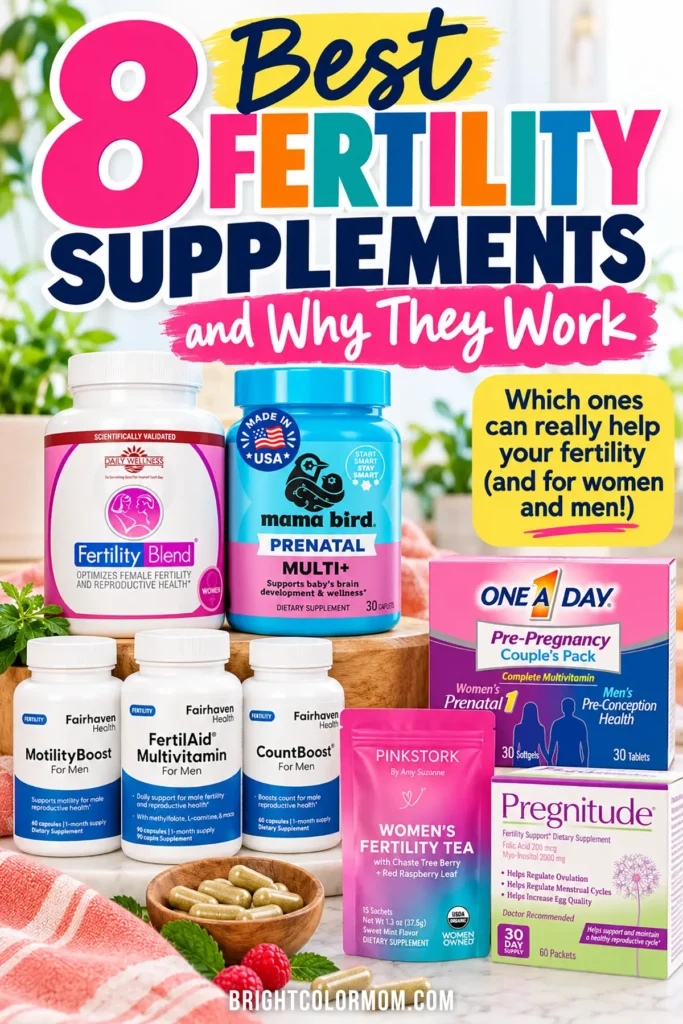
If you’re looking for the best fertility supplements out there, you may be struggling to get pregnant or just want to get pregnant fast. My husband and I tried for months to get pregnant with our first child, and millions of women struggle with infertility each year in the U.S. alone.
This post may contain affiliate links. If you make a purchase after clicking one, I may receive a small commission at no cost to you.
While fertility vitamins and supplements can improve egg quality, help ovulation, and generally increase your chances, there is no guarantee pregnancy will happen fast.
If you have regular cycles and get a positive result with an ovulation predictor test, taking fertility supplements can actually hurt your chances. You don’t want to mess with your natural cycle and hormone production if they’re already working. But if your body isn’t cooperating, the supplements below are more likely to help!
Most fertility vitamins and supplements are available over-the-counter. This is because the vast majority of fertility boosters are just combinations of commonly found vitamins and enzymes that help regulate certain hormones.
The FDA doesn’t regulate supplements. So ALWAYS talk to your doctor before trying a new supplement, even if you don’t need a prescription!
Top Picks for Best Fertility Supplements




Disclaimer
This article provides general information and discussions about health and related subjects. The information and other content provided in this article, or any linked materials, are not intended and should not be construed as medical advice, nor is the information a substitute for specific professional medical expertise or treatment.
If you have a medical concern, consult your healthcare provider or seek other professional medical treatment. Never disregard professional medical advice or delay seeking it because of something you’ve read on this website or in any linked materials. If you think you may have a medical emergency, call your doctor or emergency services immediately.
Types of Fertility Supplements
Home remedies for fertility can include pills, powders, herbal teas, and essential oils. Even a change in diet can provide nutrients that increase fertility. The strongest fertility pills would have to be prescribed by your doctor, but you may not even need a megadose of any particular vitamin in order to get pregnant.
Once you are pregnant, your vitamin and nutrient needs will change quite a bit. You’ll want to switch from fertility supplements to a great prenatal vitamin at that point.
Best Fertility Supplements
One-a-Day Men’s & Women’s Pre-Pregnancy Pack
- For: heterosexual couples
- Dose: one pill per day each
- Key ingredients: calcium, omega-3, magnesium
This One-a-Day couples pack is the most-recommended prenatal pack for couples by OBGYNs. It’s also one of the most trusted vitamin brands in America.
Rather than target ovulation issues, the women’s capsule contains ingredients that aid in general healthiness just as any other prenatal would, and is safe to take throughout your entire pregnancy.
The real magic is in the men’s tablet. It contains a cocktail of ingredients designed to increase sperm count and motility. There’s a high reported rate of success with this pack, often within the first month of using it!
You’re not likely to have any side effects when taken as directed. They can have a strong odor, though, thanks to the Omega-3 Fish Oil – so down ‘em quick.
Pycnogenol
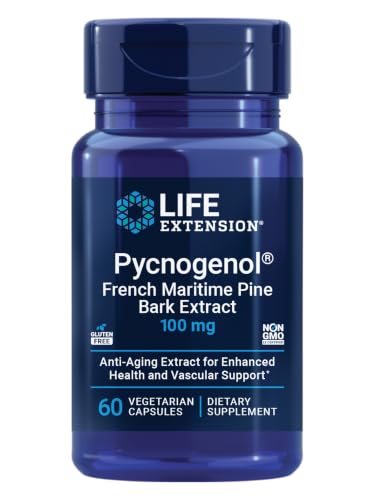
- For: men with malformed sperm
- Dose: one pill per day
- Key ingredient: pycnogenol
Synthesized from French Maritime Pine Bark Extract, this supplement is focused on a single natural ingredient that has been shown to increase the quality and effectiveness of men’s sperm.
This herb does not increase sperm count. It helps men produce sperm that are structurally normal, rather than bent or inactive. In fact, men who took this supplement in one study reportedly had the same sperm count, but their numbers of normal sperm cells doubled.
Users (including women) also report a number of other benefits – clearer skin, increased energy, and reduced allergy symptoms. Side effects are zilch!
Pregnitude Reproductive Support Dietary Supplement
- For: women with PCOS
- Dose: two packets per day (separately) in beverages
- Key ingredients: folic acid and myo-inositol
This product is a lifesaver for women who struggle to take pills and are sensitive to tastes. The packets have absolutely zero flavor and can be mixed in anything from plain water to a fruit smoothie.
Myo-Inositol is one of the more powerful fertility supplements. It helps the body use insulin effectively, which is particularly beneficial to women with PCOS. Both Myo-Inositol and folic acid have been known to improve egg quality, and that’s all that’s in these packets.
The main reported side effects of Pregnitude are stomach pain and diarrhea, but they’re not common.
Fairhaven FertilAid, MotilityBoost, and CountBoost
- For: men with low sperm count
- Dose: 7 pills once a day
- Key ingredients: B vitamins, zinc, and D-ribose
The ingredients used are no-fluff and backed by science. Zinc will almost certainly increase a man’s sperm count, and the various other vitamins and elements can contribute to increased sperm motility as well.
Best Nest Wellness Mama Bird Herbal Fertility Blend
- For: all women
- Dose: one pill per day
- Key ingredients: tons of vitamins
This appears to be a fairly normal prenatal at first glance, but the ingredients are actually superior. Instead of folic acid, it uses methyl folate, a more bioavailable ingredient that can be consumed by women with MTHFR. It’s vegan now that they get their Vitamin D from lichen. It also contains probiotics and gentle organic herbs, like chamomile.
Thousands of women have had a positive experience with Mama Bird. Others have balked at a study reporting high levels of lead in Best Nest products. But Best Nest has clearly responded to these findings with concern that Ellipse Analytics has a conflict of interest in doing the study in the first place.
They hold steady to their claim that their products contain far less lead than the allowable daily limit. Frankly, their glowing reviews from real users speaks volumes.
Reported side effects include migraines and joint pain, but these are uncommon.
Conceive Plus Ovulation Support for PCOS
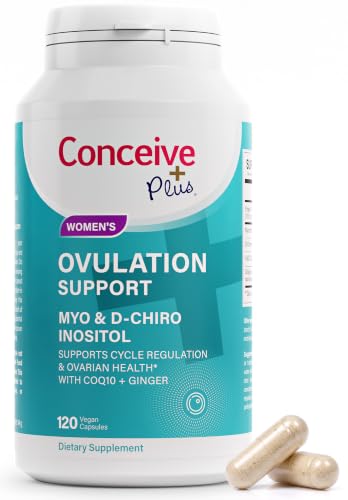
- For: women with PCOS
- Dose: four capsules daily
- Key ingredients: myo-inositol and CoQ10
Conceive Plus tablets are meant to help increase fertility in women who don’t already have a regular cycle, such as women with PCOS. It’s comparable to Pregnitude, but this is the only one that specifically states it’s primarily for PCOS. This pill also has ginger root, which can help ease severe menstrual pain, acting as an anti-inflammatory and antioxidant.
Many of the negative reviews are from women with healthy, regular cycles who shouldn’t have taken them at all. It’s got a good combo of ingredients and is worth a try for women with PCOS.
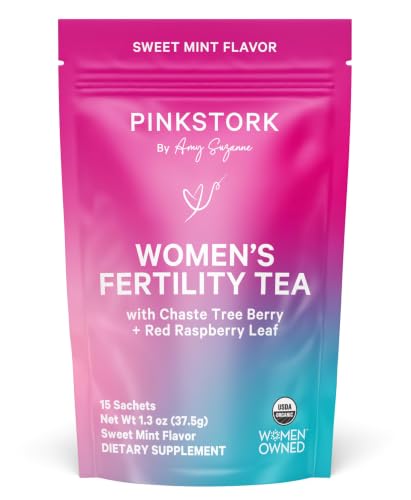
Pink Stork Fertility Tea
- For: women not ovulating
- Dose: 1-3 cups of tea per day
- Key ingredients: red raspberry leaf and chaste tree berry
These are mint-flavored tea bags filled with 100% organic ingredients. They’re presweetened with organic stevia as well! ALL ingredients are natural herbs. That being said, this tea seems to work best for women who don’t ovulate on their own. If your cycle is already regular and you get positive ovulation predictor tests, you do not need to drink this tea.
You’ll also need to take a general prenatal containing folic acid in conjunction with this tea. It doesn’t contain any vitamins or minerals your body needs. As for side effects, most women don’t report any – but a small percentage do report severe cramping during the ovulation cycle.
If you’d like to consider other teas, I’ve also done a deep dive into all the best teas for fertility.
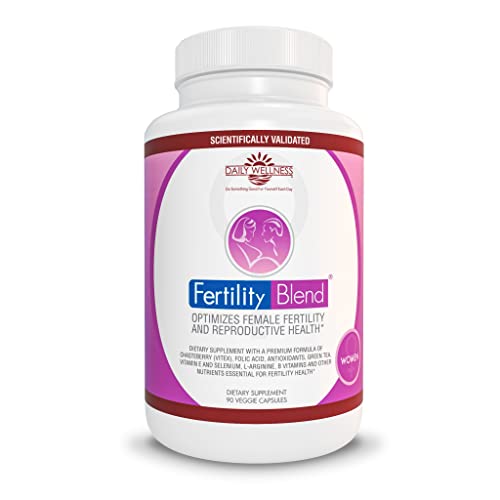
Fertility Blend Supplement
- For: women with irregular cycles
- Dose: one pill three times per day
- Key ingredients: L-arginine, green tea extract, and chaste berry extract
While Fertility Blend contains a lot of the same supplements as others on this list, Green Tea Extract stands out. It makes sense as an ingredient: it’s an antioxidant that can help regulate hormone production, increase metabolism, and reduce anxiety. A lot of women have reported success within 2-3 months of taking these pills.
Once again, this supplement is not for women who already have regular cycles with ovulation periods. It can mess up your natural flow. Most customers don’t report any negative side effects, though, when taken as directed.
Ingredients and Vitamins to Look For
These are what I like to call the ABCs of fertility! The ingredients of the supplements above can target different areas of infertility, from cellular health to hormone regulation.
These ingredients can also usually be found as individual supplements at your local pharmacy. They contribute to overall health in addition to hormone production and reproductive health.
Acetyl L-Carnitine
L-carnitine is an amino acid naturally produced by the body, which can turn into acetyl-L-carnitine and vice versa. It helps the body create energy, improving brain and heart health. It can also aid in weight loss.
- Benefits: increased sperm motility and shape; increased blood flow to ovaries
- Potential side effects: nausea, dry mouth, headache, restlessness, fishy odor
L-Arginine
This amino acid is obtained by eating red meat, fish, poultry, and dairy. It’s mostly used in treating high blood pressure and preeclampsia.
- Benefits: improved erectile dysfunction; increased number of eggs for IVF
- Potential side effects: bloating, diarrhea, gout, and low blood pressure
Antioxidants (including CoQ10, Selenium, Vitamin E)
Antioxidants, like Coenzyme Q10, reduce oxidative stress to the cells, preventing damage to the cells and body functions. Selenium is a mineral found in earth and water, as well as red meats, seafood, and nuts. Vitamin E is found in a variety of foods and can repair damaged cells.
- Benefits: reduce free radicals in the body; slower ovarian aging; reduced risk of miscarriage; improved sperm quality
- Potential side effects: increased risk of cancer or stroke (from megadoses)
B Vitamins (including Folate/Folic Acid + Inositol)
B vitamins are super important to being healthy in general! The most important B vitamin is folate, the synthetic version of which is folic acid. Folate is the naturally occurring version of the vitamin in your food. Inositol, also known as vitamin B8, is also important in the regulation of hormones, insulin, and blood pressure.
- Benefits: improved ovulation; reduced blood pressure
- Potential side effects: nerve damage (from megadoses)
Calcium
You probably already know calcium is important for your bones and teeth. But it also helps your heart beat and your blood clot, and our bodies don’t produce any on their own.
- Benefits: bone health; improved sperm motility
- Potential side effects: gas, bloating, and constipation
Chaste Tree Berry (Vitex)
Chaste tree (or chasteberry, or vitex, or vitex agnus-castus) is a fruit native to the Mediterranean that has been used in the past to treat infertility in both men and women.
- Benefits: reduced prolactin levels in women with PCOS
- Potential side effects: mild stomachache or headache
Iron
Iron is an essential mineral in red blood cells that helps carry oxygen throughout the body. It’s also the most common mineral deficiency in America.
- Benefits: improved fertility in women
- Potential side effects: upset stomach, dark poop, and constipation
Lady’s Mantle (Alchemilla)
Alchemilla vulgaris is an herb native to Europe, primarily green and often used in gardening.
- Benefits: reduced menstrual pain; reduced risk of miscarriage
- Potential side effects: none reported
N-acetyl Cysteine
Yet another product of amino acids in the body, NAC is important for replenishing crucial antioxidants in the body. Supplements containing this amino acid tend to smell bad.
- Benefits: improved ovulation
- Potential side effects: upset stomach, fever, rash, and low blood pressure
Omega-3s
Found primarily in fish like salmon and tuna, omega-3 fatty acids can reduce the risk of heart disease and depression. They’re important in the development of the brain, eyes, and neurological system.
- Benefits: improved quantity and quality of eggs
- Potential side effects: indigestion and gas
Red Raspberry Leaf Tea
This natural fertility herb tea is made from the leaves of the raspberry plant, not the fruit itself. It’s not going to taste quite like you hope.
- Benefits: reduced uterine inflammation
- Potential side effects: diarrhea
Vitamin D
This fat-soluble vitamin is naturally found in a few foods but is produced by the body when exposed to the sun.
- Benefits: thicker uterine lining; improved endometriosis symptoms
- Potential side effects: headache, nausea, and constipation
Zinc
Zinc is an essential mineral found in some foods. It’s responsible for a staggering amount of essential functions, including taste and smell!
- Benefits: improved egg development
- Potential side effects: kidney and stomach damage (from megadoses)
Overall Risks of Using Supplements
The main thing to remember is that over-the-counter does not always equal safe for everyone. Many vitamins and other supplements are not scrutinized by the FDA the way prescription drugs are. Usually, doctor-prescribed fertility supplements are what you should ask for.
You’ll also want to talk to your doctor if you do go OTC. It’s important to make sure they won’t have adverse effects with any other medications you’re taking, and that you take the right dosages.
Another risk of taking fertility supplements is the risk of disappointment. If after weeks or months of taking pills and drinking teas you still haven’t gotten pregnant, you may find yourself angry at the time spent on remedies that don’t work for you.
Fertility Supplements FAQ
Do fertility supplements work?
That depends on your definition of fertility success. Will these supplements get you pregnant? No, because they cannot, themselves, fertilize your egg. But they can improve your overall health, thereby increasing your chances of developing and releasing healthy eggs each month.
What about DHEA?
There’s not enough evidence that DHEA provides any improvement to fertility, and there are plenty of unpleasant side effects. For these reasons, I won’t recommend it.
Are any of these supplements any better than my multivitamin?
For many women, a simple prenatal vitamin can help them get pregnant by providing a wide array of vitamins and nutrients the body needs. If you have specific infertility issues you’re trying to treat naturally, a fertility supplement may be better suited to your needs.
Are fertility supplements better than prescription fertility meds?
The main differences between OTC and prescription fertility pills are the dosages and the cost.
Prescriptions are required for certain fertility pills (like Clomid) as well as for megadoses of vitamins. But you’ve probably seen whole rows at your supermarket dedicated to vitamins and herbal supplements.
As far as cost, some prescriptions can be pricey. A Clomid refill can cost $10-$100), but getting a prescription for vitamins can actually make them FREE! With both of my pregnancies, I had to take massive amounts of iron supplements. I could get a bottle of Spring Valley iron pills for $4 at Walmart, or use my doctor’s prescription and get the same dosage for free.
Even within over-the-counter fertility products, the costs can vary significantly. There are a lot of brand-name pills and drinks pushing combinations of vitamins and nutrients that expectant mothers swear by. Their prices go up as demand increases.
Before You Go…
Most women don’t realize how hard getting pregnant can be until they’re actively trying. Check out these reads for education – and motivation to keep trying!





Great article with lots of examples! I know a lot of women who need help in getting pregnant and this article is helpful! And I love your profile picture!!
Have you heard if Turmeric and Evening Primrose would be worth trying?
Hi Heather! Both turmeric and evening primrose can boost fertility, but whether or not they will work for you depends on the specific problems that may be preventing you from getting pregnant. In some cases, these supplements can be harmful to conception.
Turmeric has lots of great antioxidants, but it can also thin the lining of the uterus, which you DON’T want when trying to get pregnant. However, if you have endometriosis or an abnormally thick uterine lining, this could be of benefit!
Evening primrose can increase the production of cervical mucus which greatly aids the semen’s ability to fertilize an egg, but it can also thin the blood which is dangerous, especially if you’re already anemic. It absolutely should NOT be taken throughout pregnancy because it can lead to premature childbirth.
My best advice (and what I say to everyone!) is to always talk to your personal doctor/OBGYN before taking any supplements. Also, your doctor may not be familiar with these natural remedies to be able to give you an immediate answer. So go prepared with printouts from reputable websites (like WebMD or Healthline) that discuss the benefits and side effects of any supplement you’re interested in trying so you can go over them together.
Good luck with your conception! 🙂
This is a great article full of useful information. I’ve lost two babies and we’re planning to try again in October. I’ll definitely be trying some of these supplements to speed up the process.
Wow! What an amazing article! Thank you very much!