7 Best Teas for Fertility When Trying to Conceive
Trying to conceive can feel overwhelming, especially when you’re searching for natural ways to boost fertility. Certain herbal teas may support reproductive health, balance hormones, or provide nutrients important for conception. But which fertility teas are actually worth trying, and which should you avoid?
From red raspberry leaf to nettle tea, several popular options claim to support your fertility journey. However, not every tea has scientific evidence behind its benefits, and some aren’t safe during pregnancy. Let’s explore the best teas for fertility, their potential benefits, and what you should know before sipping.
As part of my research, I interviewed Dr. Jessica Christie, a Naturopathic Physician and the owner of Magnolia Integrative Fertility in Washington, DC. I also received some valuable and practical insight from Dr. Kim Langdon regarding the best herbs for fertility. She discusses which conditions are most likely to benefit from drinking fertility tea.
At the bottom is a DIY fertility tea recipe so you can make your own at any time!
This post may contain affiliate links. If you make a purchase after clicking one, I may receive a small commission at no cost to you.
Top Picks for Best Fertility Teas




Disclaimer
This article provides general information and discussions about health and related subjects. The information and other content provided in this article, or any linked materials, are not intended and should not be construed as medical advice, nor is the information a substitute for specific professional medical expertise or treatment.
If you have a medical concern, consult your healthcare provider or seek other professional medical treatment. Never disregard professional medical advice or delay seeking it because of something you’ve read on this website or in any linked materials. If you think you may have a medical emergency, call your doctor or emergency services immediately.
What to Look for in a Fertility Tea
According to Dr. Christie, “[Fertility teas typically] consist of a blend of various herbs, which work together to help balance hormones and the menstrual cycle while also being a source of vitamins and minerals essential for reproduction.”
This means fertility teas (as opposed to everyday teas) can target typical problem areas when it comes to getting pregnant. Fertility problems can include hormone imbalance, lack of ovulation, thin uterine lining, low sex drive, and even low sperm count in men.
Specific Ingredients
Most fertility teas tend to include the same basic group of herbs, with the possibility of one or two “special” herbs to target particular fertility problems. Common herbs used are nettle leaf, red raspberry leaf, and chasteberry (vitex). These nutrients are often included:
- Vitamin A
- Vitamins B
- Vitamin C
- Vitamin K
- Amino acids
- Calcium
- Fatty acids
- Folic acid
- Iron
- Magnesium
- Phosphorous
- Polyphenols
- Potassium
- Sodium
- Zinc
Almost all of these act as antioxidants, which protect cells against damage from free radicals. Using herbal remedies to help treat infertility is a long-standing Chinese practice dating back over 2000 years! In the West, teas and herbs are often only looked to after prescriptions and traditional cures have failed.
Best Herbal Teas for Fertility
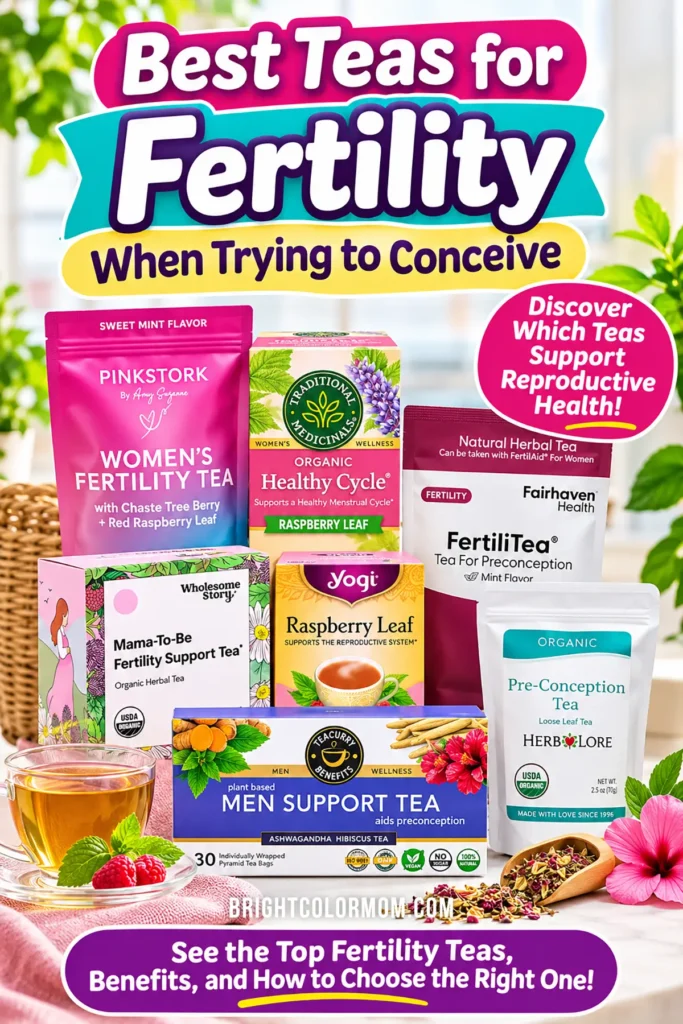
FertiliTea
- For: women with irregular periods, imbalanced hormones, or a weakened uterus
- Key ingredients: Vitex, green tea, nettle leaf, lady’s mantle, red raspberry leaf
This loose-leaf tea is completely organic with no sweeteners – just some mint leaf for flavor. It contains a tiny amount of caffeine. FertiliTea can be prepared hot or cold, and the manufacturer recommends drinking it twice a day.
The taste of this tea is surprisingly good, even without any sweeteners. A LOT of women have reported getting pregnant the very first cycle they started drinking FertiliTea!
However, if you already have regular periods and positive ovulation tests, you’ll probably want to steer clear. Many reported their normal cycle getting out of whack after consuming. You’ll want a tea infuser to make brewing simple.
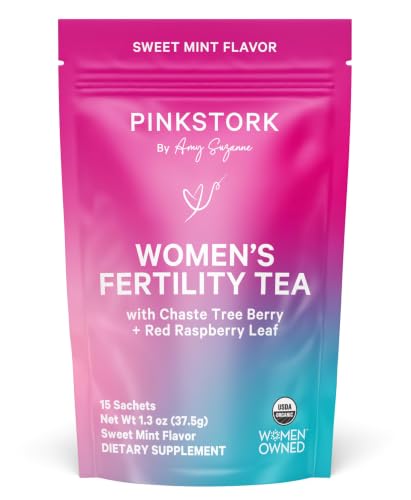
Pink Stork Fertility Tea
- For: all women
- Key ingredients: Vitex, red raspberry leaf, lady’s mantle
Pink Stork Fertility Tea comes in three varieties: mint, sweet mint, and sweet mint iced tea. The herbs come in pyramid sachets that can each make 2 cups of hot tea. The iced tea sachets make a quart at a time. Every package is “prayed over” before release. Stevia is present in the sweet versions, which is my preferred calorie-free sweetener.
Just like FertiliTea, Pink Stork uses peppermint leaf to lend flavor to their herbal drinks. As far as sweeteners go, Stevia is about the healthiest one out there. This additive also means you can take your tea sachets on the go without worrying about having honey or sugar with you. And it tastes pretty good!
The reviews for this Pink Stork tea are overwhelmingly positive, with most drinkers getting pregnant within a month or two. However, if your cycles are already regular you absolutely should NOT drink this tea. Some women have reported that it actually stopped ovulation and elevated testosterone levels.
Yogi Women’s Raspberry Leaf Tea
- For: women with painful periods or a weakened uterus
- Key ingredients: only raspberry leaf
This is one of the simplest packaged fertility teas on this list, because there is only one ingredient: red raspberry leaf. The main benefit to buying this over a bulk package of red raspberry leaves is the fact that it’s already portioned into single-serving bags.
Red raspberry leaf is perfectly safe to drink during pregnancy! So if you drink it every day you can make it last from 7 weeks up to over 3 months, making the price an excellent deal.
There are virtually no negative reviews about this Yogi tea. Most women enjoy the flavor and have no problem drinking it daily. Many women attribute their conception success to this tea. Others drinking it in late pregnancy claim it shortened their labor by helping tone their uterus.
You’ve really got nothing to lose with this tea, and if you already have regular cycles, this is the one I recommend.
Teacurry Male Support Tea
- For: men wanting to increase libido, sperm count, or sperm motility
- Key ingredients: ashwagandha, cassia cinnamon, green tea
Teacurry Men Fertility Tea combines eight herbs designed to support male reproductive health. Green tea, turmeric, and hibiscus provide antioxidant compounds that may help protect cells from oxidative stress. Shatavari and gokhru are traditionally associated with reproductive wellness. The tea contains no added sugar or preservatives.
This tea has a pleasant flavor, convenient preparation, and includes a fertility diet chart. Users have confirmed improved sperm counts after consistent use, as well as increased energy and successful conception.
Its convenient tea-bag format and varied herbal ingredients offer reasonable value for everyday wellness. Still, the licorice in it may affect blood pressure, so it’s not suitable for all men.
Traditional Medicinals Organic Healthy Cycle Tea
- For: women with painful period cramps
- Key ingredients: raspberry leaf, stinging nettle leaf
Healthy Cycle is one of the most popular fertility teas of all time because it comes from a trusted brand. A hot tea in individual bags, it has a relatively unique and citrusy flavor. Both lemongrass and lemon verbena are in the mix, as well as ginger and spearmint leaf.
As with many fertility teas, you don’t want to drink this one if your cycle is already normal and “healthy.” But it can help regulate yours if it’s not regular. Many women who normally have very bad cramps during their period report relieved symptoms while drinking this tea. On the other hand, women who normally have minimal cramping sometimes have severe cramps and fatigue as a result of this tea.
Herb Lore Pre-Conception Tea
- For: women needing to strengthen their uterus; increasing cervical mucus; relaxation and reduced stress
- Key ingredients: red raspberry leaf, nettle leaf
You can drink this fertility tea hot or make a batch, cool it, and refrigerate it for a few days. Herb Lore uses a loose-leaf blend, so you’ll need a tea infuser unless you plan on straining your tea after steeping.
This blend uses a few other herbs some women and naturopaths swear by, such as red clover, dandelion, and alfalfa. There are no sweeteners, just some peppermint leaf for flavor.
This tea does seem to be effective for many women, even if the taste leaves something to be desired. Lemon and honey is a common recommendation for sweetening. But many women with PCOS report getting regular periods back after drinking this tea. One woman diagnosed with closed tubes reported that this tea opened her fallopian tubes enough to conceive!
If you have a regular cycle, this is probably not for you. It may mess up your healthy cycle and likely won’t make it easier for you to get pregnant. If you are in need of regulation, though, one cup a day is not enough to see a difference. Two is preferred, and the manufacturer notes that 2-3 cups a day is recommended.
Mama-to-Be Fertility Support Tea
- For: any woman trying to conceive
- Key ingredients: nettle leaf, red raspberry leaf
This tea comes in super-convenient, biodegradable large sachets. It’s easy to prepare without worrying about microplastics seeping into your hot water. With the larger sachets, you can either sip a more concentrated dose of the included herbs or be able to have a larger mug without watered-down tea.
The flavor is excellent, with an overall minty flavor that doesn’t require additives for good taste. A little bit of cinnamon enhances the smell and yumminess. If you want to add something, lemon juice pairs nicely.
Drinkers have reported success in regulating slightly off-kilter cycles, such as reducing the length of overly-long periods. Many pregnancies have also happened for women with regular cycles after just a month or two of drinking this tea.
Best Herbs to Boost Fertility
While some of these herbs appear to have specific benefits for various factors in fertility, Dr. Langdon makes an important observation. “Almost all of these herbs are anti-oxidants, which lower inflammation, which may be a factor in infertility.”
It may just be the general consumption of anti-inflammatory herbs that helps you conceive rather than targeting a specific problem!
Chasteberry (Vitex)
“One of the best herbs for balancing the sex hormones,” per Dr. Christie, Vitex is perhaps the single best herb for improved chances of conception. It’s used to treat infertility, PMS, menstrual disorders, and even menopause.
- Benefits: reduced prolactin with luteal phase defect; cycle regulation; ovulation; easier implantation
- Potential side effects: nausea, upset stomach, headaches, heavy menstrual flow
Red Raspberry Leaf
Second only to Vitex in its list of benefits for women, red raspberry leaf can be used by itself with great results. Often called the “woman’s herb,” red raspberry leaf tea has long been used before and during pregnancy because of its positive effects on lady parts and a lack of serious side effects!
- Benefits: reduced PMS symptoms; tighter pelvic muscles; improved iron deficiency; ovulation and implantation (per Dr. Langdon)
- Potential side effects: virtually none, though it can cause looser stools and more frequent urination
Stinging Nettle Leaf
More of a “global” herbal recommendation than one specific to conception, stinging nettle is a great inclusion in your fertility tea.
- Benefits: improved overall health; reduced bleeding during menstruation
- Potential side effects: the fine barbs on fresh leaves can release undesirable chemicals into your skin; should not be combined with blood pressure medication; can lead to miscarriage in pregnant women
Peppermint Leaf
A super-safe herb for almost everyone to consume, peppermint leaf also happens to reduce period cramps. Peppermint has the added bonus of making your tea naturally smell and taste better!
- Benefits: reduced menstrual cramps; fights bacterial infections
- Potential side effects: probably none, though you may notice an increase in heartburn
Green Tea Leaf
Green tea is another drink that, like stinging nettle, improves your overall health. But it seems to boost the positive effects of other fertility herbs, likely due to its minor caffeine content.
It’s imperative you include red raspberry leaf when using green tea in your fertility tea, though – green tea leaf can reduce your body’s absorption of iron from foods, and red raspberry leaf contains a large amount of iron to help counter it.
- Benefits: reduces bad cholesterol; reduces risk of reproductive cancers; enhances the effects of other fertility herbs, particularly chaste berry
- Potential side effects: upset stomach or constipation; caffeine headaches if too much is consumed; reduced iron absorption
Cinnamon
Most people enjoy the flavor of cinnamon, and it can be particularly good in a tea brew. But it can also help women – particularly those with PCOS – to conceive!
- Benefits: lower blood sugar and cholesterol (talk to your doctor if you’re on medication for diabetes); increase in regular periods and conception for women with PCOS; Dr. Langdon also cites cinnamon as a useful spice for ovulation
- Potential side effects: likely none in the doses used in fertility tea; extremely high consumption can lead to liver problems
For Men: Ashwagandha
You’ll find other articles promoting ashwagandha as a fertility herb women should use. But its real superpower is improving fertility in men!
- Benefits: increase in testosterone levels; improved sperm count
- Potential side effects: upset stomach, diarrhea, vomiting, and liver problems; should not be taken in conjunction with medication for diabetes, blood pressure, or thyroid issues
Teas to Avoid While Trying to Conceive
While most teas in moderation are perfectly safe to drink when trying to conceive, there is one ingredient that you’ll want to avoid:
Caffeine.
While some caffeine consumption is fine when trying to conceive, large amounts may negatively impact fertility. Light teas and green teas can be consumed several times a day without a significant impact. Black tea and dark amber teas, however, have higher caffeine contents. You’ll want to avoid them as much as possible unless they are decaffeinated.
FAQ About Tea for Fertility
Can drinking tea actually help you get pregnant?
Pretty much nothing will guarantee you a pregnancy – not even IVF! But evidence does suggest that herbal supplements can improve your chances. In one study, among women who struggled with fertility issues and took herbal supplements, a third of them became pregnant within five months!
Are fertility teas safe?
Dr. Christie echos many other doctors’ recommendations when it comes to safety with herbal remedies. “While these herbs are known to be gentle, you should always check with your healthcare provider if you have a specific condition or are on medication.
“Naturopathic doctors in particular are trained in herbal/medication interactions and can help you decide if herbs are right for you. Also, some herbs can be very dangerous during pregnancy, so please don’t add other herbs to your blend without consulting with an herbal expert to ensure they would be safe.”
Are herbal teas likely to help me with my specific problem?
Dr. Langdon states that “If you have PCOS, ovulation issues, a history of abnormal cervical mucus or recurrent miscarriages,” you’re more likely to have fertility success as a result of drinking fertility tea.
Dr. Christie says “any woman with an irregular period could benefit from drinking fertility teas before and during conception efforts.” She also notes that these teas can improve circulation, which helps the production of cervical mucous and ridding the body of toxins. Because of this, “all women would likely benefit [in general] by drinking fertility tea,” believes Dr. Christie.
Can my regular daily tea bag work just as well?
Probably not. While regular tea can boost your immune system, it doesn’t target infertility. Regular tea also has more caffeine, which is best to avoid when trying to conceive.
When should you drink the tea?
Ideally, you’ll start drinking your tea on the first day of your period and continue through ovulation. You’ll want to stop at that point in case you do conceive. Some of the ingredients in fertility teas have a slight risk of causing miscarriage.
If you’re not sure when you would normally ovulate, track your basal body temperature and cervical mucus for a month or two before trying herbal teas. Or make easy work of it and use ovulation predictor tests!
How often should you drink herbal tea to get pregnant?
“Women can drink 1 cup daily, or as recommended by their healthcare provider,” recommends Dr. Christie.
DIY Fertility Tea Recipe
Fertility Tea Recipe
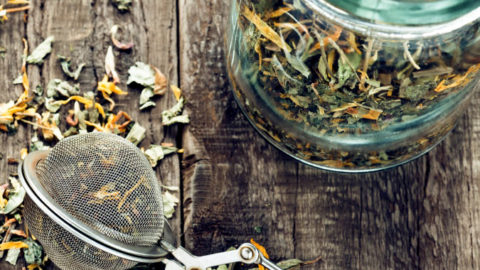
A blend of herbs proven to help with regulating your menstrual cycle, relieving painful cramps, balancing hormones, and promoting ovulation, this fertility tea recipe is an easy way to make a large supply of fertility tea at home - saving you money on your path to conception.
Ingredients
Instructions
- Mix all ingredients thoroughly in a bowl. Store in an airtight container (like a mason jar) and keep in a cool, dry place out of direct sunlight.
- For hot tea, put ¼ cup of mix in a tea or coffee press. Steep in hot water for 10 minutes, strain, and flavor as desired (I recommend adding honey and/or lemon).
- For iced tea, put ½ cup of mix in a quart-sized mason jar and fill with lukewarm water. Close and let sit out overnight. Strain in the morning and serve over ice, flavoring as desired. Refrigerate leftovers for up to three days.
Recommended Products

Nutrition Information
Yield
22Serving Size
1/4 cup dry mixAmount Per Serving Calories 5
Before You Go…
Dr. Christie has some important parting wisdom for women trying to conceive. “Eat healthy whole foods, drink plenty of filtered water, get adequate sleep, and exercise … Even the best herbs out there can’t overturn a poor diet and/or lifestyle.“ Use your fertility tea as part of a whole health plan in your journey to conception.
Here are some more articles you’ll want to check out:
- How to get pregnant FAST
- Pregnancy success stories two days before ovulation
- Getting pregnant on your period (seriously)
- Best overall fertility supplements, including pills
- Best prenatal vitamins